Granite & Stone Associates Newsletter — a monthly briefing on professional approaches to building restoration. Each issue examines one concrete practice that shifts outcomes, shares what data shows, and offers guidance for property owners and project teams.
Investigation before intervention: why assessment shapes every restoration decision
The most consequential decision in any restoration project happens before the first crane arrives or a single brick is disturbed. It is the decision to understand the building thoroughly before proposing repairs. Architects, structural engineers, and contractors who lead preservation work—particularly on historic structures—begin with investigation. Yet many property managers move directly from “the building has a problem” to “what solution do we want,” skipping the critical step of understanding how the original construction works and how it currently functions after decades of service.
Buildings that have survived 100+ years did so because their original construction strategies were sound. Skipping understanding of those strategies risks that new repairs will work against the building’s accumulated adaptation, undoing the very durability the owner wants to preserve.
What investigation reveals about the building’s material history
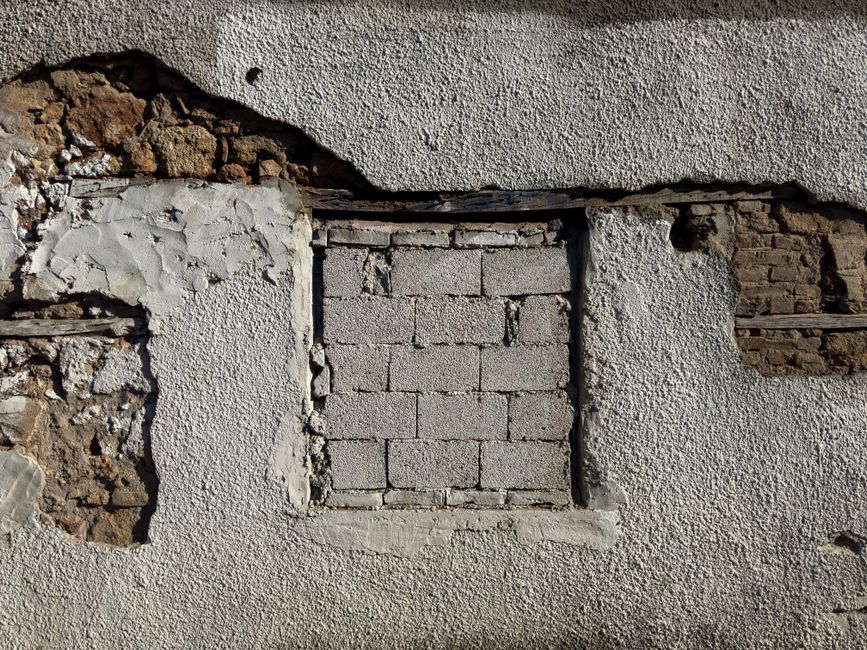
A baseline assessment documents original materials, construction methods, structural behavior, and the adaptations the building has undergone over time. This is recorded fact: the actual composition of mortar joints, the pattern of cracks that have stabilized over decades, the incompatibilities between original assemblies and later additions, and the pathways moisture currently follows through walls. Assessment conducted before work starts establishes the baseline that prevents costly interventions. Repointing mortar that is too hard will split historic brick instead of protecting it. A concrete sealer rated for new construction will block moisture and trap condensation inside walls, causing the very deterioration it aimed to prevent. Installing rigid repair elements next to flexible historic materials creates new stress concentrations that accelerate failure. None of these consequences is visible before the work begins. They emerge through material testing, moisture studies, and structural investigation.
Real investigation findings and the decisions they shape
| Assessment Finding | Why It Matters | Outcome for the Project |
| Original mortar is lime-based (pre-1920s buildings) | Repair mortar must be softer than the masonry units so it sacrifices to protect them | Repointing uses lime mortar matching the original composition, preserving the historic units |
| Moisture moves via capillary rise through the masonry; interior condensation zones exist | Exterior sealing must not block interior vapor diffusion or condensation forms inside | Sealer selected is permeable, rated for historic masonry; prevents the spalling and efflorescence that an impermeable coating would cause |
| Building mixes soft historic brick with harder historic stone; materials are incompatible | Uniform repair materials across mixed assemblies will damage the softer material faster | Repointing uses two mortar mixes: softer for brick, appropriate hardness for stone; material compatibility prevents accelerated failure |
| Cracks present but stable | Monitoring is preferred over intervention; closure may introduce new stresses | Structural closure is avoided where cracks are stable, reducing unnecessary disturbance |
Note: These findings reflect principles outlined in the Secretary of the Interior’s Standards for the Treatment of Historic Properties, published through the National Park Service. For additional technical guidance on historic preservation and restoration practices, refer to resources from the National Park Service Technical Preservation Services, the Brick Industry Association, and the International Concrete Repair Institute.
Why this practice has become standard
Investigation-first methodology shifts the frame from “we have a problem, what is the quickest solution” to “we have a building with a history, how do we intervene in a way that respects its construction and extends its serviceable life.” For property owners, it means engaging qualified engineers and architects before proposals reach the contractor stage. For contractors, it means articulating up front how findings will shape scope and material recommendations. When both parties lead with understanding, the compounding outcomes—reduced rework, longer repair life, materials that weather gracefully instead of failing prematurely—create value that extends far beyond the initial project.
The professionals you work with on masonry, concrete, or facade restoration should be able to articulate what they found in assessment and how those findings changed their approach. If they move from “we see the problem” directly to “here is the cost to fix it” without investigation, they are skipping the step that predicts whether the repair will last.
Next month: We will look at how to commission a structural assessment and what to ask for in the report. The month after: moisture mapping and why it changes repair strategy for concrete buildings.
Granite & Stone Associates is a consulting practice serving the building restoration industry. We publish this newsletter monthly. Contact information available on our site.