Past Work
Granite & Stone Associates documents significant restoration and building preservation projects throughout the region. This collection represents work we’ve followed and observed—projects that illustrate what professional masonry and concrete restoration looks like in practice. Rather than claims about quality, these are concrete examples of the techniques, challenges, and outcomes that characterize serious preservation work.
The difference between a completed restoration and a failed one often comes down to whether the contractor understood the building’s original materials and the principles that made them work.
What restoration projects actually involve
A masonry restoration isn’t a single task—it’s a sequence of decisions about materials, methods, and timing, each one affecting the outcome. The questions that matter most are the ones contractors have to answer before work begins.
- How do you match the original mortar composition without damaging the historic brick?
- When is repointing necessary, and when would it cause more harm than the damage it addresses?
- What sealant, if any, is appropriate for a facade that has stood for over a century?
- How do you budget a concrete repair when the damage suggests deeper structural questions?
- What does the building’s structural integrity actually require versus what looks best?
Projects we’ve documented
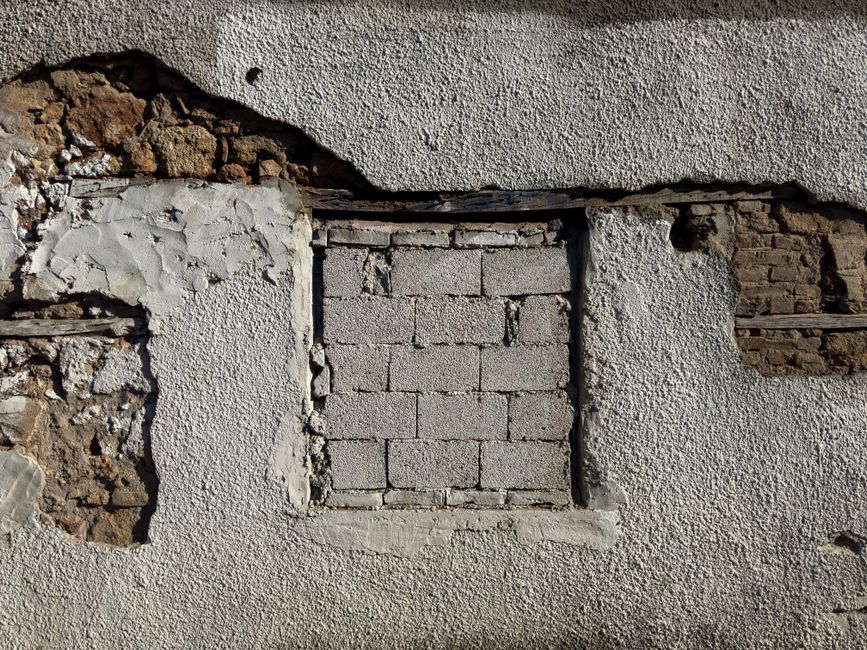
Brick repointing
Historic building facade, mortar joint restoration
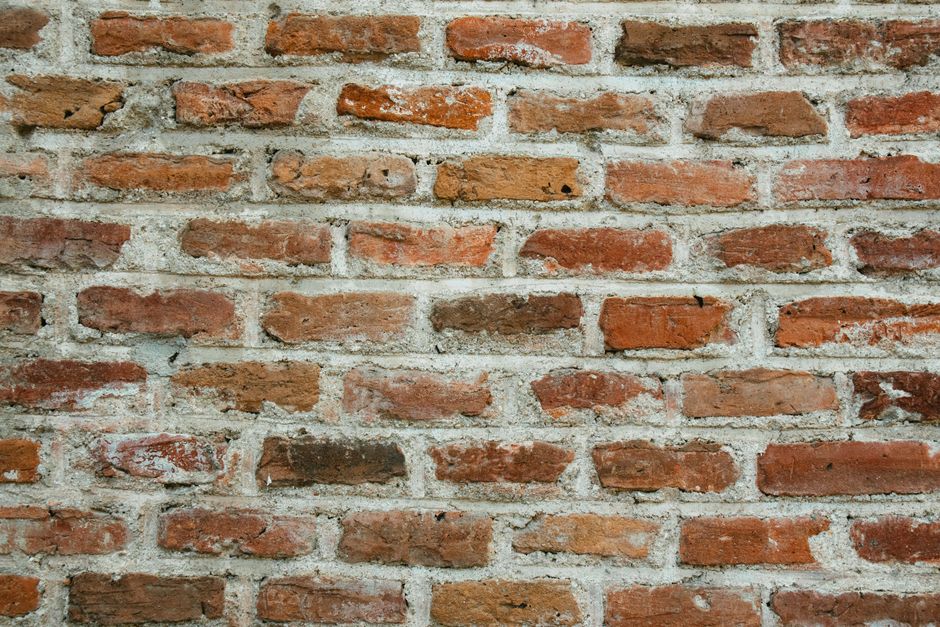
Concrete sealing
Commercial building surface protection and repair
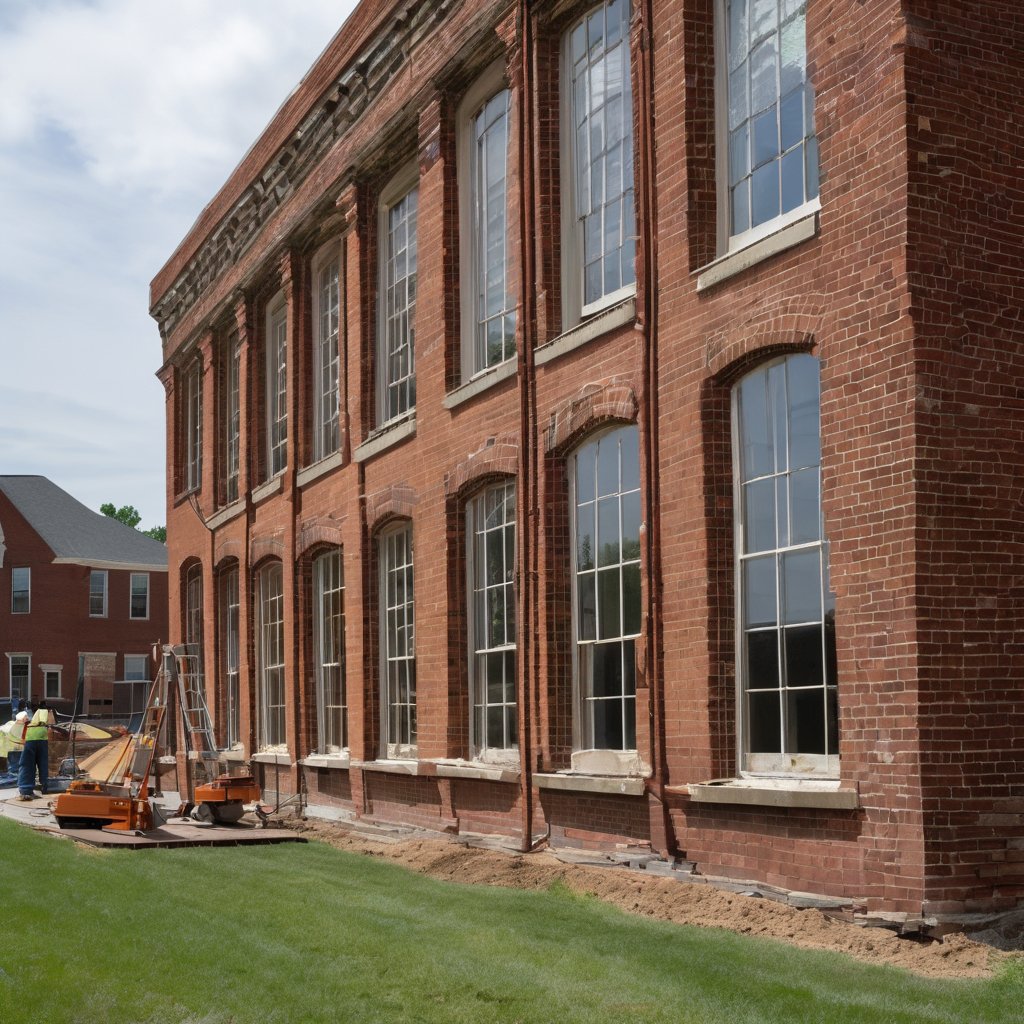
Team coordination
Multi-specialist project execution and oversight
Why mortar matters more than it appears
Mortar in masonry acts as a sacrificial barrier. It degrades instead of the brick, protecting the load-bearing units behind it. When repointing, contractors must choose a mortar composition softer than the surrounding masonry—otherwise the new mortar lasts forever while the brick deteriorates. This principle—counterintuitive but essential—determines whether a restoration extends a building’s life by decades or creates a problem worse than the one it addressed.
Guidance on repointing and mortar compatibility for load-bearing masonry is published by the Brick Industry Association. Where it is followed properly, the mortar composition is chosen against test samples of the original work, so that future deterioration occurs in the joint rather than migrating into the brick itself.
Learning from execution
Each completed restoration teaches something about what works. Challenges that appeared during one project inform how the next one is approached. Access constraints on a historic facade, unexpected findings when scaffolding comes down, material sourcing decisions that seemed straightforward but had unexpected consequences—these are the real lessons that separate experienced practitioners from ones who are technically capable but lack the judgment that only comes from having worked through actual problems.
The projects documented here represent the kind of work that takes months or years to complete. They’re not quick fixes or cosmetic updates. They’re structural interventions that require careful planning, material selection, sequencing, and ongoing quality control throughout execution.
Understanding restoration in practice
If you’re considering a restoration project, this tutorial from an experienced conservationist demonstrates the care required in brick repair work:
This kind of detailed technical knowledge—paired with judgment about when and how to apply it—is what separates work that extends a building’s life from work that creates new problems. When evaluating a potential restoration contractor, their ability to discuss material compatibility, sequencing, and the trade-offs inherent in preservation decisions is more valuable than a portfolio of before-and-after photos.